AJ Fernandez Nicaragua tells a story of land, leaf, and cigar craft. AJ Fernandez grew up in Cuba around tobacco and cigar making. Later, he built his own path in Nicaragua. Today, Estelí sits at the heart of his work.
The company grows tobacco across key parts of Nicaragua. It also runs three cigar factories in the country. From seed to final cigar, the team watches each stage with care.
This article looks at the farms, leaf, ageing, and blending behind the name. It does not compare products. Instead, it explains why Nicaragua matters so much to AJ Fernandez.
How AJ Fernandez Nicaragua Began
AJ Fernandez grew up in Cuba with a close link to tobacco. He learned from a family with deep cigar roots.
Later, he moved to Nicaragua and began to build his own company. The business started in 2003. Estelí soon became its main base.
At first, the operation was small. However, AJ kept close control of the work. He watched the farms, leaf, and blends himself.
That hands-on style still shapes the company today.
Why Estelí Matters
Estelí is one of the best-known tobacco areas in Nicaragua. The land can grow strong and rich leaf.
The area also has warm days and a dry climate. These conditions can help tobacco gain body and depth.
AJ uses Estelí leaf in many blends. He also runs key parts of his cigar work there.
Still, Estelí is only one part of the story. The company also works with leaf from other parts of Nicaragua.
Tobacco Regions Across Nicaragua
AJ Fernandez Nicaragua has links with several growing zones.
These include Jalapa, Condega, Pueblo Nuevo, Quilalí, Ometepe, and Estelí.
Each place can shape the leaf in a new way.
For example, Jalapa often gives a softer and sweeter style. Condega can bring balance and aroma. Meanwhile, Estelí can add more body.
Ometepe also stands out. The island has rich volcanic soil. As a result, its leaf can bring deep and earthy notes.
This range of land gives AJ more ways to build a blend.
From Seed to Harvest
Good tobacco starts with the seed.
First, the team raises young plants with care. Then, workers move them to the field.
Next, the team watches the soil, water, and leaf growth. It also checks how each plant reacts to the weather.
When the leaf reaches the right stage, harvest begins.
Workers do not always pick the whole plant at once. Leaves at different levels can have different strength and texture.
So, careful harvest gives the blender more choice later.
Why Curing Matters
Fresh leaf needs time before it can become cigar tobacco.
First, workers place the leaf in curing barns. There, it begins to lose water.
The colour changes too. Green leaf slowly turns brown.
Workers must control air and heat with care. If the leaf dries too fast, quality can drop.
Good curing prepares the tobacco for the next stage.
Fermentation and AJ Fernandez Nicaragua
Fermentation plays a major role in tobacco craft.
After curing, workers stack the leaf in piles. The tobacco then creates natural heat.
The team watches that heat closely. It also checks moisture and turns the leaf when needed.
AJ Fernandez says fermentation can last from six months to two years.
This process can soften harsh notes. It can also help bring out more taste and aroma.
However, time alone is not enough. Skilled hands must guide the process.
Why Ageing Takes Years
After fermentation, the leaf still needs rest.
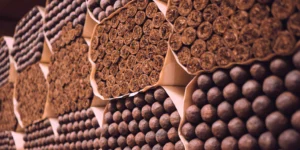
Workers pack the tobacco into bales. Then, the leaf can age for several more years.
Age can make the tobacco smoother. It can also help different notes come together.
Some leaf may need more time than others.
Therefore, the team does not rush the process.
This slow approach gives the blender more mature tobacco to work with.
How AJ Fernandez Builds a Blend
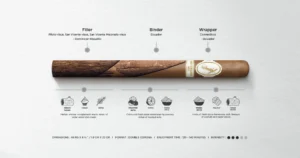
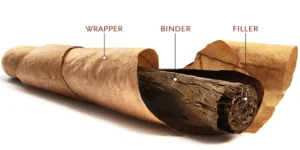
A cigar blend has three main parts.
The wrapper sits on the outside. The binder holds the cigar together. The filler forms the centre.
Each part can change the final smoke.
AJ and his team test many leaf types and grades. They look at strength, aroma, burn, and taste.
Then, they change the mix until the parts work well together.
Balance matters. One leaf should not hide the rest.
That is why blending can take many tests.
Farm Control and Quality
AJ Fernandez Nicaragua keeps close control of much of the process.
The company manages farming, curing, fermentation, ageing, blending, rolling, and packing.
This close control helps the team keep a steady style.
It also lets AJ trace where the leaf came from and how it moved through each stage.
Today, the company runs three cigar factories in Nicaragua.
The scale is large. Yet the cigars still rely on skilled hand work.
Días de Gloria and the Old Farms
Some blends show the farm story in a clear way.
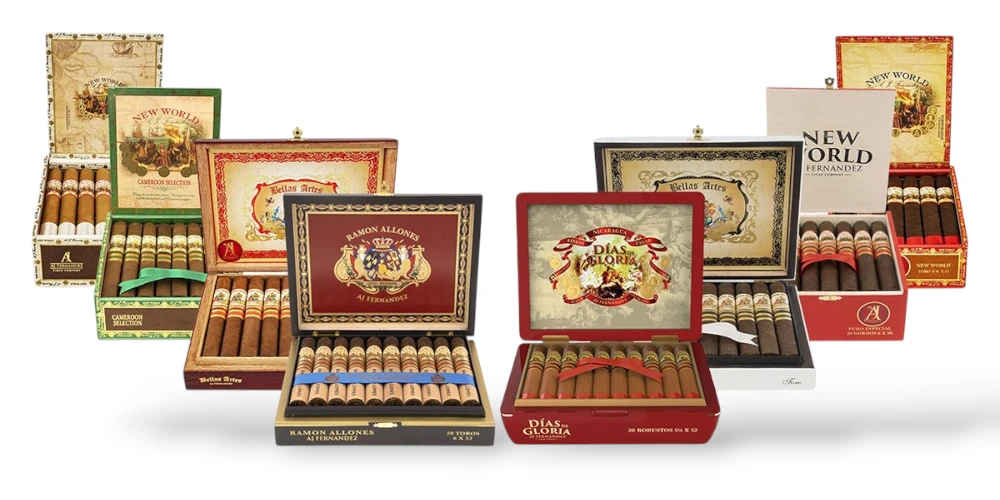
Días de Gloria uses aged tobacco from four of AJ’s older farms in Estelí.
These farms are Finca Los Cedros, La Providencia 1, La Lilia, and La Soledad.
The cigar acts as a link between AJ’s Cuban roots and his Nicaraguan work.
However, the key point here is the farm source.
The blend shows how tobacco from specific land can shape a cigar.
New World Dorado and Farm-Led Blending
New World Dorado gives another good example.
Most of its tobacco comes from AJ’s Dorado farm.
The farm name comes from the golden look and feel of the land there.
Again, the focus starts with the soil and leaf.
This shows how AJ can build a cigar around one farm and its tobacco.
That farm-led approach gives the company another way to create a clear style.
Why Nicaragua Fits AJ Fernandez
Nicaragua gives AJ several things at once.
First, it offers rich soil. Next, it offers more than one growing zone.
The country also has a strong cigar trade and skilled workers.
Together, these parts help AJ control much of the process close to home.
As a result, the farm, factory, and blending work can stay closely linked.
This is why AJ Fernandez Nicaragua is more than a place name. It describes the core of the company.
From Cuban Roots to Nicaraguan Craft
AJ still draws on his Cuban roots.
He grew up around cigar making and tobacco culture. Yet Nicaragua gave him the land and space to build his own path.
The two parts now work together.
Cuban tradition shapes the way he thinks about cigars. Nicaraguan soil shapes much of the leaf he uses.
That mix gives the company a clear identity.
Why AJ Fernandez Nicaragua Stands Out
AJ Fernandez Nicaragua stands out because the company stays close to the leaf.
It grows tobacco, cures it, ferments it, ages it, and turns it into cigars.
The team also works with leaf from several regions. This gives the blender more choice.
Most of all, the company gives tobacco time.
Good leaf cannot rush through curing or ageing.
That slow work helps build depth, balance, and a smoother taste.
Explore AJ Fernandez at The House of Cigars
This article explains the land and craft behind AJ Fernandez.
If you want to compare the finished cigars, visit our AJ Fernandez category at The House of Cigars.
There, you can compare current lines, sizes, strength, and smoking time.
FAQs About AJ Fernandez Nicaragua
Where does AJ Fernandez make cigars?
AJ Fernandez makes cigars in Nicaragua. Estelí is the main base for the company.
How many factories does AJ Fernandez run in Nicaragua?
The company says it owns and runs three cigar factories in Nicaragua.
Where does AJ Fernandez grow tobacco?
The company works with tobacco from several parts of Nicaragua. These include Estelí, Jalapa, Condega, Pueblo Nuevo, Quilalí, and Ometepe.
How long does tobacco fermentation take?
AJ Fernandez says fermentation can last from six months to two years.
Why does AJ Fernandez age tobacco?
Age can soften the leaf and help bring out more depth. It can also help different notes work better together.
What is special about Estelí tobacco?
Estelí can grow rich and strong leaf. The area also plays a major role in Nicaragua’s cigar trade.
What is Días de Gloria?
Días de Gloria uses aged tobacco from four of AJ’s older farms in Estelí. The blend links his Cuban roots with his work in Nicaragua.
What is New World Dorado?
New World Dorado uses mostly tobacco from AJ’s Dorado farm. It shows how one farm can guide the style of a blend.
Why is Nicaragua important to AJ Fernandez?
Nicaragua gives AJ rich land, several growing areas, skilled workers, and space for farms and factories. It sits at the heart of the company today.