The Plasencia tobacco heritage began in Cuba in 1865. Don Eduardo Plasencia moved from the Canary Islands to Cuba. There, he began to grow fine tobacco.
Since then, five generations have kept the family trade alive. The family later moved to Nicaragua and Honduras. However, tobacco always stayed at the heart of its work.
The story includes loss, change, and many fresh starts. Yet the family kept its skills and knowledge. Today, that long past still shapes the Plasencia name.
How Plasencia Tobacco Heritage Began
Don Eduardo started the family trade in 1865. He settled in Vuelta Abajo, Cuba.
The area had rich soil and warm weather. So, it gave tobacco plants a good place to grow.
Later, more family members joined the work. They learned how soil, sun, and rain could change each leaf.
They also learned that good tobacco needs time.
By the early 1900s, the family had grown its farm work. It also began to supply tobacco to larger cigar firms.
As a result, tobacco became a true family trade.
Leaving Cuba and Starting Again
A major change came in 1963.
The family lost its farms in Cuba. Sixto Plasencia Pérez then left the country with his family.
First, they went to Mexico. Later, they moved to Nicaragua.
In 1965, Sixto planted his best seeds in Nicaraguan soil.
The family had to learn new land and new weather. Still, years of farming skill helped them start again.
This new chapter became a key part of the Plasencia tobacco heritage.
Why Nicaragua Became So Important
Nicaragua soon became a new home for the family.
The country has several well-known tobacco areas. These include Estelí, Jalapa, Condega, and Ometepe.
Each area can give tobacco a different feel.
For example, Estelí can add more strength. Jalapa can bring a softer and sweeter note.
Meanwhile, Condega can add balance and aroma.
Ometepe also stands out. Its soil has links to old volcanic land. Because of this, tobacco from the island can have a rich style.
So, Nicaragua gave the family many types of leaf to work with.
A New Start in Honduras
More change came in 1978.
Unrest in Nicaragua forced the family to move again. This time, they went to Honduras.
Once more, they built new farms and planted new crops.
Then, in 1990, the family returned to Nicaragua. However, they kept their work in Honduras too.
As a result, both countries still play a major role in the family business.
This long link with two nations is an important part of the Plasencia tobacco heritage.
Five Generations of Tobacco Skill
The Plasencia story now covers five generations.
Each generation added new skills and ideas.
Néstor Plasencia joined the cigar trade in the 1980s. Later, the family grew its farms and cigar work.
For many years, Plasencia also made cigars for other brands.
This gave the team deep knowledge of tobacco. It learned more about growing, ageing, blending, and rolling.
Later, the family gave more focus to cigars under its own name.
Still, farming remained the base of the business.
Why the Farm Matters So Much
A fine cigar starts in the field.
First, the team chooses the seed. Then, it prepares the soil.
Next, the plants need sun, rain, and care.
Each part can change the taste of the leaf.
After harvest, the work continues.
The leaves must dry. Then, they go through a process that helps soften the tobacco.
After that, the leaf can rest and age.
Finally, the team sorts each leaf by size, strength, and use.
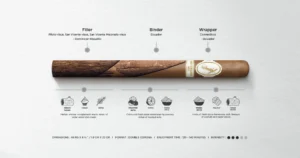
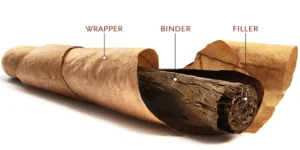
Some leaves become wrappers. Others form the binder or filler.
So, the farm shapes every part of the final cigar.
Organic Tobacco and the Plasencia Story
The family also tested new ways to grow tobacco.
In the late 1990s, it began working with organic leaf.
This type of farming needs great care. The team must watch the soil and plants very closely.
However, the family kept testing and learning.
By 2000, it had gained organic certification for its tobacco.
This work added a new part to the Plasencia tobacco heritage.
It also showed how the family could mix old farm skills with new ideas.
Why Ageing Matters
Fresh tobacco can taste sharp.
Time can help change that.
After harvest, the leaf must dry and rest. It then goes through key steps before use.
These steps can soften the tobacco. They can also bring out more taste and aroma.
Some leaf can rest for years before it enters a cigar blend.
Therefore, ageing plays a major role in the Plasencia approach.
The family does not only care about how the plant grows. It also cares about what happens after the crop.
From Seed to Cigar
Plasencia keeps a close link with each stage of the process.
First, the family grows the tobacco.
Then, the leaf dries, rests, and ages.
Next, the team sorts the tobacco. After that, it builds each blend.
Finally, skilled cigar makers roll the cigars.
This close control helps the family understand each leaf from start to end.
More importantly, it keeps tobacco at the centre of the business.
The Modern Plasencia Name
For many years, Plasencia worked behind the scenes.
The family grew tobacco and made cigars for other well-known brands.
This gave the team a great deal of skill.
Later, Plasencia began to place more focus on cigars under its own name.
This change brought the family story to more cigar fans.
Yet the modern brand still rests on the same old base.
Good tobacco comes first.
That simple idea still shapes the Plasencia tobacco heritage today.
Care for the Land
The family has also worked to reduce its use of water.
Good farming depends on healthy land. It also depends on careful use of natural resources.
So, Plasencia has tested new farm systems over the years.
The aim is simple. The family wants to grow good tobacco while caring for the land.
This work fits well with its long farm past.
After all, the family depends on the soil for each new crop.
Why Plasencia Tobacco Heritage Still Matters
The Plasencia story now spans more than 160 years.
It began in Cuba. Later, the family moved to Nicaragua and Honduras.
Along the way, it lost farms and started again more than once.
Still, tobacco stayed at the heart of the family trade.
Today, five generations of skill sit behind the name.
That long link with seed, soil, leaf, and time helps explain the brand today.
For cigar fans, the Plasencia tobacco heritage adds real depth to every blend.
Explore Plasencia at The House of Cigars
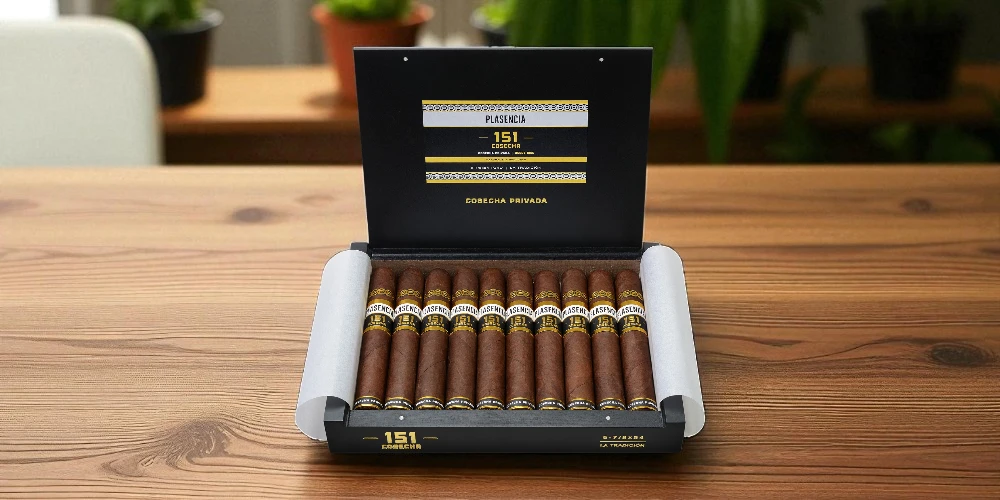
You can explore the Plasencia range at The House of Cigars.
The range includes many sizes, styles, and strength levels.
So, you can choose a cigar that suits your taste and smoking time.
The long family story gives the brand its roots.
However, the final blend is what brings that story to life.
FAQs About Plasencia Tobacco Heritage
When did the Plasencia family start growing tobacco?
The family story began in Cuba in 1865. Don Eduardo Plasencia started to grow tobacco in Vuelta Abajo.
Why did the Plasencia family leave Cuba?
The family lost its farms in 1963. It then left Cuba and later moved to Nicaragua.
When did Plasencia move to Nicaragua?
The family began to grow tobacco in Nicaragua in 1965.
Why is Honduras important to Plasencia?
The family moved to Honduras in 1978. Later, it returned to Nicaragua but kept its work in Honduras.
How many generations have worked with Plasencia tobacco?
Five generations have taken part in the family tobacco trade.
Why does Plasencia age tobacco?
Ageing can help soften the leaf. It can also bring out more taste and aroma.
Does Plasencia grow organic tobacco?
Yes. The family began tests with organic leaf in the late 1990s. It later gained organic certification for its tobacco.
What makes Plasencia tobacco heritage special?
The family has worked with tobacco since 1865. It also controls many parts of the process, from the farm to the final cigar.
Where does Plasencia grow tobacco today?
Nicaragua and Honduras both play key roles in the family business.
Why is farming so important to Plasencia?
The family has deep farm roots. It knows that soil, seed, weather, and time can all shape the taste of tobacco.