Oliva cigar history began in Cuba in 1886. Melanio Oliva grew tobacco leaves in Pinar del Río. Soon, the war stopped his farm work. Yet he went back after the war. Then, he began to grow leaf again.
His family kept the trade alive. Later, Cuba changed in a big way. So, Gilberto Oliva looked for new land. At last, he chose Nicaragua.
That move shaped the brand we know today.
Where Oliva Cigar History Began
Melanio Oliva began the family story in 1886. He grew leaf in Pinar del Río, Cuba.
Soon after, he left the farm. He went to fight in Cuba’s war with Spain. When the war ended, he came home. Then, he went back to his fields.
A good leaf needs care and time. It also needs good soil and sun. Melanio learned these skills on the farm.
Later, he passed them to his family. So, the Oliva story began with the leaf.
Facundo Keeps the Family Trade Alive
In the early 1920s, Facundo took charge. He was Melanio’s son.
Facundo grew leaves for many years. During that time, the family learned more about seed, soil, and leaf care.
However, life in Cuba began to change. This made farm work much harder.
Then, Facundo’s son Gilberto changed his role. He moved from farm work to leaf trade.
Still, the family stayed close to tobacco.
Gilberto Looks for New Land
In the early 1960s, Gilberto left Cuba. He then looked for new land.
He went to Honduras, Panama, Mexico, and the Philippines.
His goal was clear. He wanted good soil for Cuban seed.
Each place gave him new clues. Yet none felt quite right.
At last, he found rich land in Nicaragua.
This move became a key part of Oliva cigar history.
Why Nicaragua Became Home
Nicaragua gave the family a fresh start.
The land was rich. The warm air also helped the crop grow well.
The country has more than one key leaf zone. Estelí, Jalapa, and Condega all play a part.
Each zone can give the leaf a new feel.
For example, Estelí can add more power. Jalapa can give a soft and sweet note. Meanwhile, Condega can add calm and balance.
So, the family had a wide mix of leaf to use.
Cuban seed met new soil. That mix helped shape the Oliva style.
From Leaf Growers to Cigar Makers
For years, the family grew and sold leaf.
Then, in 1995, Gilberto Oliva Sr. and his son made a cigar at a Plasencia plant.
A year later, they moved towards their own cigar work. They also cut the brand name down to Oliva.
This step brought the family much closer to the final smoke.
They already knew how to grow leaf. They also knew how to judge it.
Now, they could use that skill in a full blend.
As a result, the Oliva name began to grow.
The Rise of the Oliva Name
The 1990s brought a cigar boom.
Demand grew fast. New brands came to market. Yet the boom also brought risk.
Oliva had one strong edge. The family knew leaf.
That skill helped it build blends with a clear style. It also helped the brand earn more praise.
Still, awards were not the whole story.
The family had worked with leaf for decades. That great skill gave the brand a firm base.
This is why Oliva cigar history starts in the field, not at the rolling table.
Serie V Becomes a Key Step
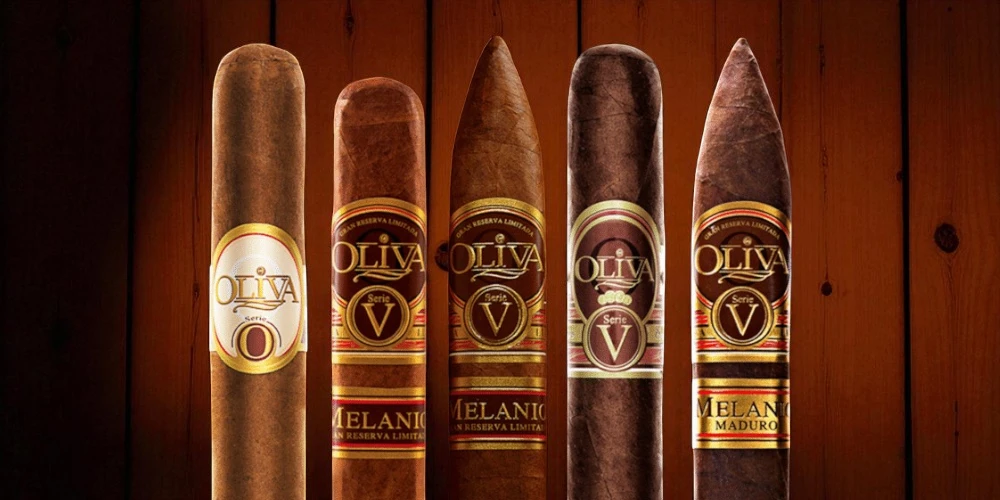
Oliva launched Serie V in 2006.
The line used leaf from Nicaragua. It also used strong ligero from Jalapa.
Soon, the line won high praise. More fans began to notice the Oliva name.
Serie V showed what the family could do with rich leaf. It also joined old farm skill with a new blend.
So, the line became a key step in the brand’s rise.
However, this article does not need to compare its taste or strength. Our Oliva shop page can do that job.
Serie V Melanio Links Past and Present
Oliva added Serie V Melanio in 2012.
The family named the line after Melanio Oliva. He began the family leaf story in 1886.
So, the name linked the new brand with its old roots.
Then, in 2014, the Figurado won a top award. Cigar Aficionado named it its No. 1 cigar of the year. It also gave the cigar 96 points.
That win brought more eyes to Oliva.
More than that, it put Melanio’s name at the heart of a key modern line.
Why Farm Skill Still Matters
The Oliva story began on a farm.
That fact still matters.
A good cigar starts with good leaf. First, growers choose the seed. Then, they care for the soil and plant.
After the crop, the leaf must dry. Next, it must rest and age.
Each step can change the taste.
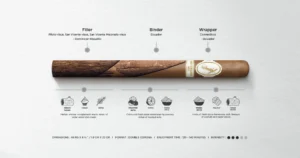
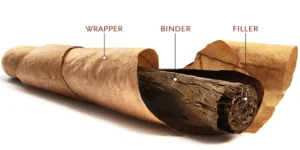
Then, the team picks leaves for each role. Some leaf goes on the outside. Other leaf goes in the core.
So, farm skill can shape the whole cigar.
The Oliva family knew leaf long before it built a cigar brand.
That gives the brand a clear link to the field.
The Oliva Family Story Today
Oliva cigar history now spans more than a century.
It began with Melanio in Cuba. Then, Facundo kept the farms going.
Later, Gilberto looked for a new home. He found it in Nicaragua.
The next years brought cigar work and new blends.
Each step changed the family trade. Yet leaf stayed at the heart of it.
Cuba gave the family its roots. Nicaragua gave it a new home.
That link still shapes the Oliva name today.
Why Oliva Cigar History Still Matters
The past helps explain the brand.
Oliva did not start as a name on a box. It started in the fields.
War and change forced the family to move. Yet the family kept its farm skill.
Then, new land gave it a fresh start.
That is the main theme in Oliva Cigar history.
The land changed. The craft stayed.
For cigar fans, this past adds more depth to the brand.
Explore Oliva at The House of Cigars
This page tells the story behind Oliva.
It does not compare each cigar line. That is the job of our Oliva Cigars shop page.
There, you can compare size, strength, and smoke time.
You can also find the line that best suits your taste.
FAQs About Oliva Cigar History
When did Oliva cigar history begin?
The family story began in 1886. Melanio Oliva grew leaves in Pinar del Río, Cuba.
Who was Melanio Oliva?
Melanio was the first known leaf grower in the family story. He began his farm work in Cuba.
Why did the Oliva family leave Cuba?
Life and farm work changed in Cuba. Gilberto Oliva then left and looked for new land.
Where did Gilberto Oliva look for land?
He went to Honduras, Panama, Mexico, and the Philippines. Later, he chose Nicaragua.
Why did the family choose Nicaragua?
The country had rich soil and warm weather. It also had strong areas for leaf.
When did Oliva move into cigar making?
The family moved deeper into cigar work in the mid-1990s.
Why was Serie V a key step?
Oliva launched Serie V in 2006. The line won praise and raised the brand’s profile.
Why does Serie V Melanio matter?
The line honours Melanio Oliva. He began the family leaf story in 1886.
What award did Serie V Melanio win?
The Figurado became Cigar Aficionado’s No. 1 cigar of 2014. It also earned 96 points.
Why does Oliva cigar history matter today?
It links the family’s Cuban roots with its modern cigar craft in Nicaragua.